Why Bulgaria?
Key facts
Member of the European Union, NATO, World Trade Organization, United Nations
LOCATION: Southeastern Europe, bordering the Black Sea, between Romania and Turkey
CAPITAL: Sofia
TIME ZONE: UTC+2
AREA: 111’002 sq. km.
POPULATION: 6.9 mln. (as of 2019)
LANGUAGE: Bulgarian is the official language. Almost 50% of the population aged 25 and over use at least one foreign language. Most common are English, German, Russian, French.
RELIGIONS: Eastern Orthodox: 59.4%, Muslim: 7.8%, Other (includes Catholic, Protestant, Armenian Apostolic Orthodox and Jewish): 1.7%
GOVERNMENT: Parliamentary republic
CURRENCY: Bulgarian lev (BGN), tied to the euro. Fixed FX rate: 1 EUR = 1.95583 BGN
Key figures
GDP: 61.2 EUR bn (as of 2019)
GDP Growth: 3.7% (as of 2019)
Unemployment: 4.2% (as of 2019)
CREDIT RATING
Fitch: BBB Positive (Feb 2021)
S&P: BBB Stable (Oct 2020)
Moody’s: Baa1 Stable (Oct 2020)
TAXES
Corporate tax rate: 10%
Individual tax: 10%
VAT: 20%
Why Bulgarian citizenship?
- The Bulgarian passport is a European Union passport
- Free movement, education and healthcare within the EU countries
- Unrestricted right to live, work, and study in Europe
- Right to own property in the entire EU and Schengen zone without any restrictions
- Open bank accounts in any EU & Schengen country
- Bulgaria has the lowest direct tax rates in the EU
- Free-trade environment within the EU
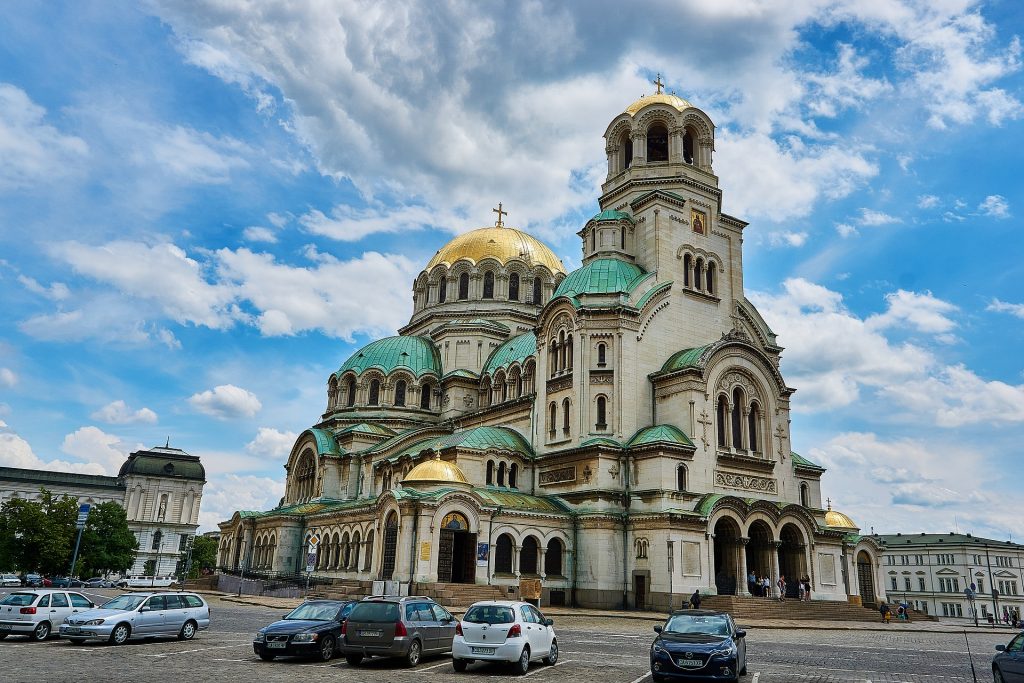
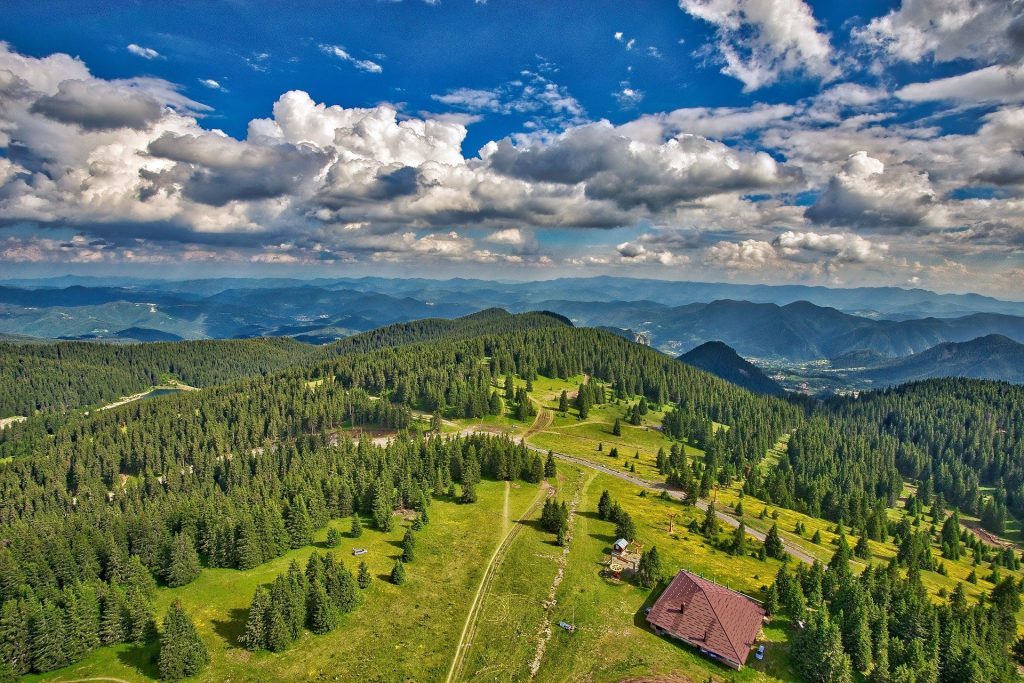
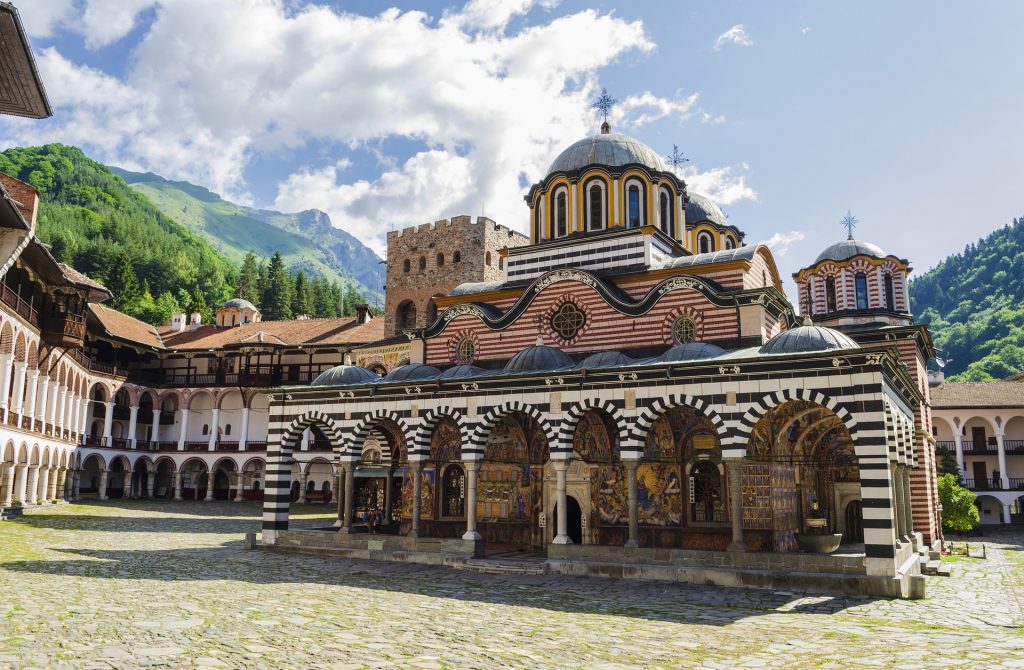

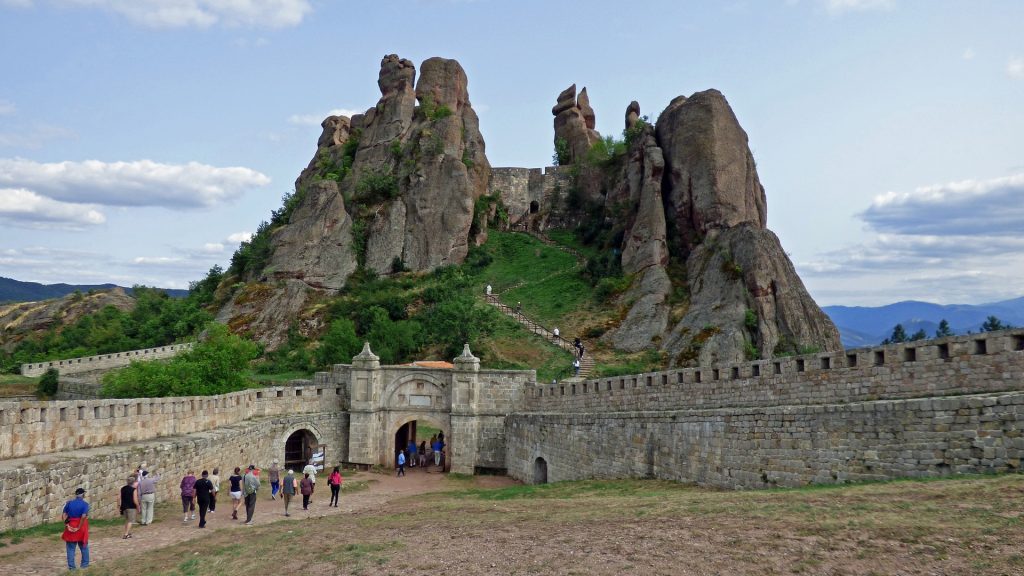
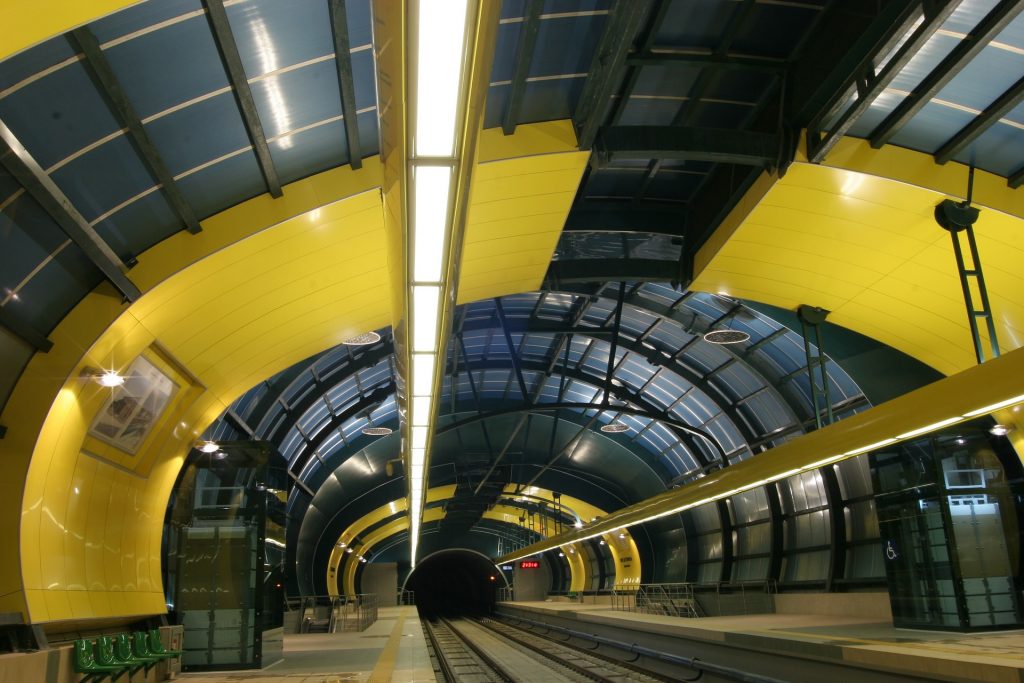
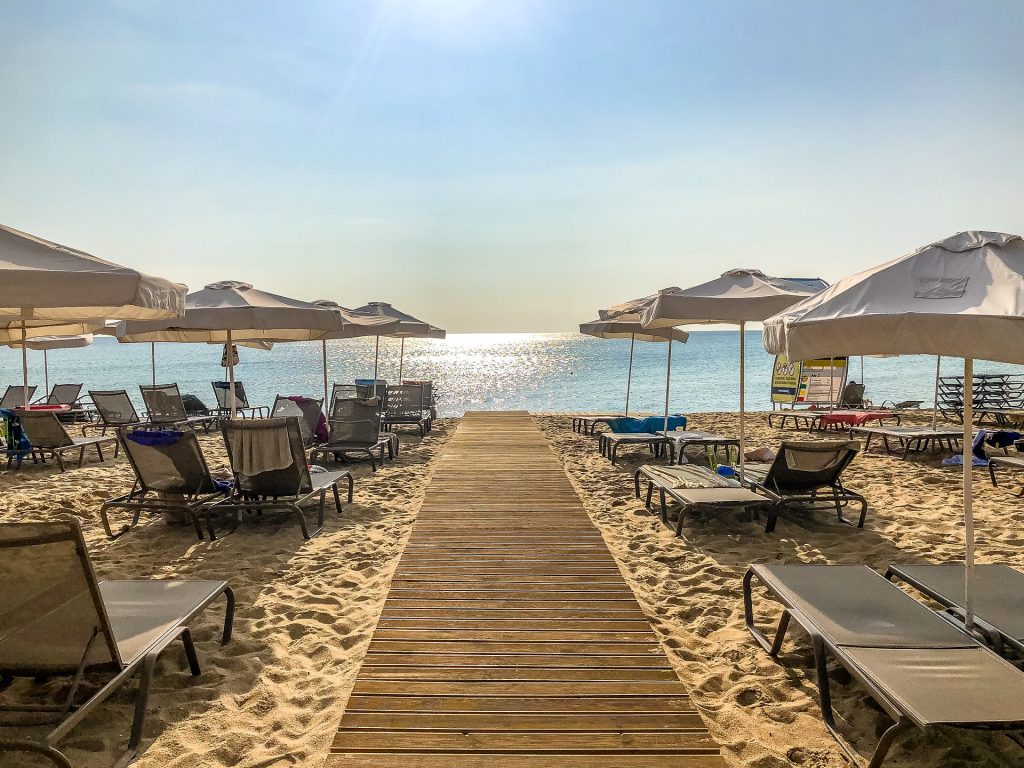
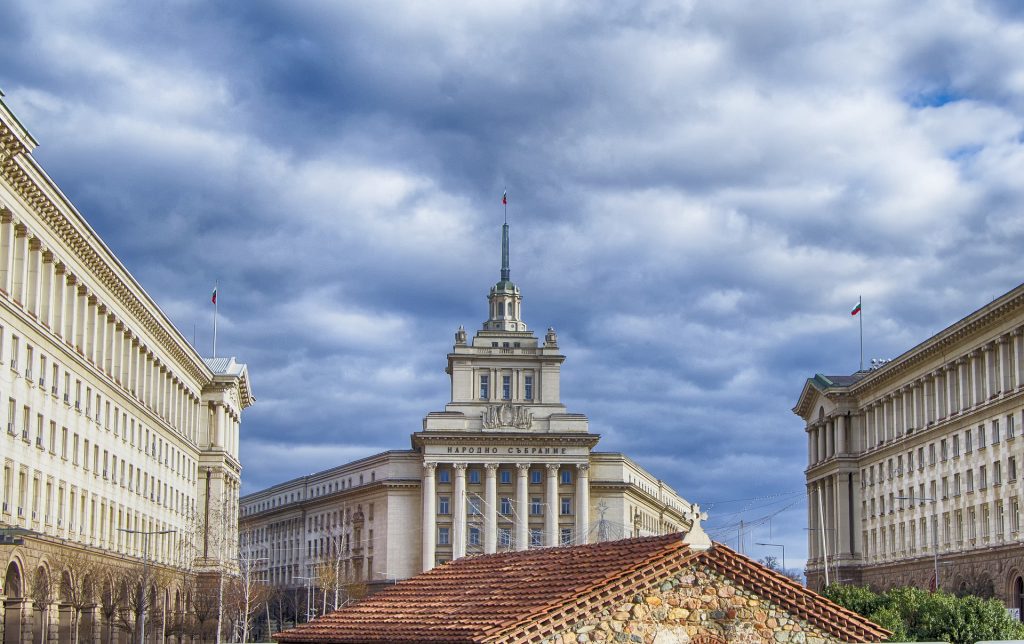
Bulgaria is a four-season destination for tourism, internationally known for its seaside and winter resorts.
The country is rich in tourist sights and historical artifacts, scattered through a relatively small and easily accessible territory. As of 2021, there are ten World Heritage Sites listed in Bulgaria.

Do you want to live, run a business, work, and educate children in the EU?
Our international migration lawyers will provide you a full package of services and consulting on the entire process of application for Bulgarian/European residence permit and citizenship.